Training your pet isn’t about control—it’s about communication, trust, and building a strong bond. Whether you’ve just welcomed a playful puppy, adopted a rescue dog, or want to improve your cat’s behavior, proper training can transform daily life for both you and your pet.
Many pet owners struggle with common issues like excessive barking, aggression, or ignoring commands. The good news? With the right approach, patience, and consistency, these problems can be solved. This guide walks you through practical, proven methods to train your pet effectively while nurturing positive behavior.
Understanding Pet Behavior: Why Pets Act the Way They Do
Before jumping into training, it’s essential to understand why pets behave the way they do. Most unwanted behaviors are not “bad”—they’re simply natural instincts or responses to their environment.
Dogs may bark excessively due to boredom or anxiety, while cats might scratch furniture to mark territory or maintain their claws. Recognizing these triggers helps you address the root cause rather than just the symptom.
Behavior is also influenced by early experiences. Pets that weren’t socialized properly may develop fear or aggression. Understanding your pet’s history allows you to approach training with empathy and realistic expectations.
The Power of Positive Reinforcement

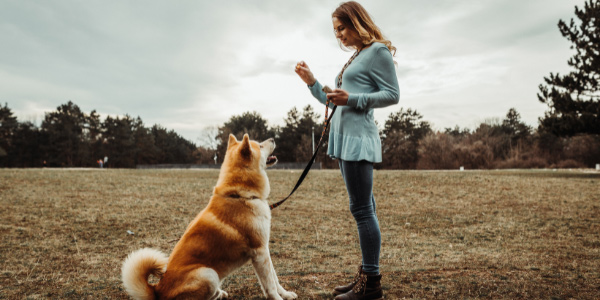

Positive reinforcement is one of the most effective and humane training methods. It involves rewarding your pet for good behavior, making them more likely to repeat it.
Rewards can include treats, praise, toys, or affection. For example, when your dog sits on command, immediately reward them. This creates a clear connection between the action and the reward.
Avoid punishment-based training. It can lead to fear, confusion, and even aggression. Instead, focus on encouraging good behavior and redirecting unwanted actions.
Basic Commands Every Pet Should Learn



Teaching basic commands is the foundation of good behavior. These commands improve safety and make daily interactions easier.
Start with simple commands like:
-
Sit – Helps manage excitement and maintain control
-
Stay – Teaches patience and prevents risky situations
-
Come – Essential for safety, especially outdoors
-
Leave it – Prevents your pet from picking up harmful objects
Keep training sessions short (5–10 minutes) and consistent. Practice daily and gradually introduce distractions to strengthen learning.
House Training Made Simple
House training is often one of the biggest challenges for pet owners, especially with puppies. The key is consistency and routine.
Take your pet to the same spot at regular intervals—after meals, naps, and playtime. Reward them immediately after they eliminate in the correct place.
Accidents will happen, and that’s okay. Avoid punishment, as it can create fear. Instead, clean the area thoroughly and reinforce the correct behavior moving forward.
Crate training can also be helpful. Pets naturally avoid soiling their sleeping area, making it an effective tool when used properly.
Managing Common Behavior Problems

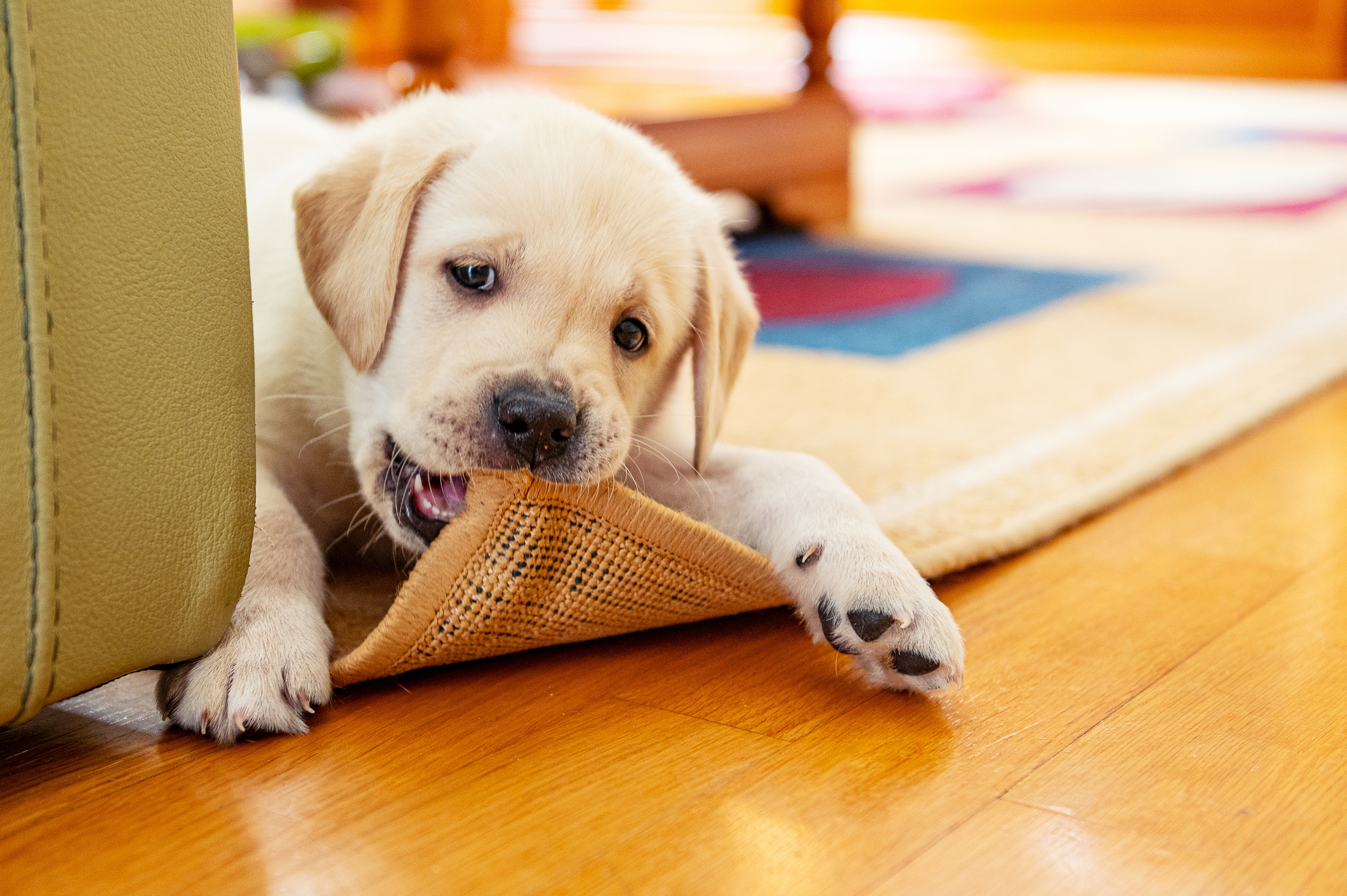

Many pet owners face similar behavior issues. Understanding how to manage them can greatly improve your pet’s behavior.
Excessive Barking:
Identify the cause—boredom, fear, or attention-seeking. Provide exercise and mental stimulation to reduce it.
Chewing:
Offer appropriate chew toys and redirect your pet when they target furniture.
Jumping on People:
Ignore the behavior and reward calm greetings instead.
Scratching (Cats):
Provide scratching posts and place them near commonly used areas.
Consistency is key. Everyone in the household should follow the same rules to avoid confusing your pet.
Socialization: Raising a Confident Pet
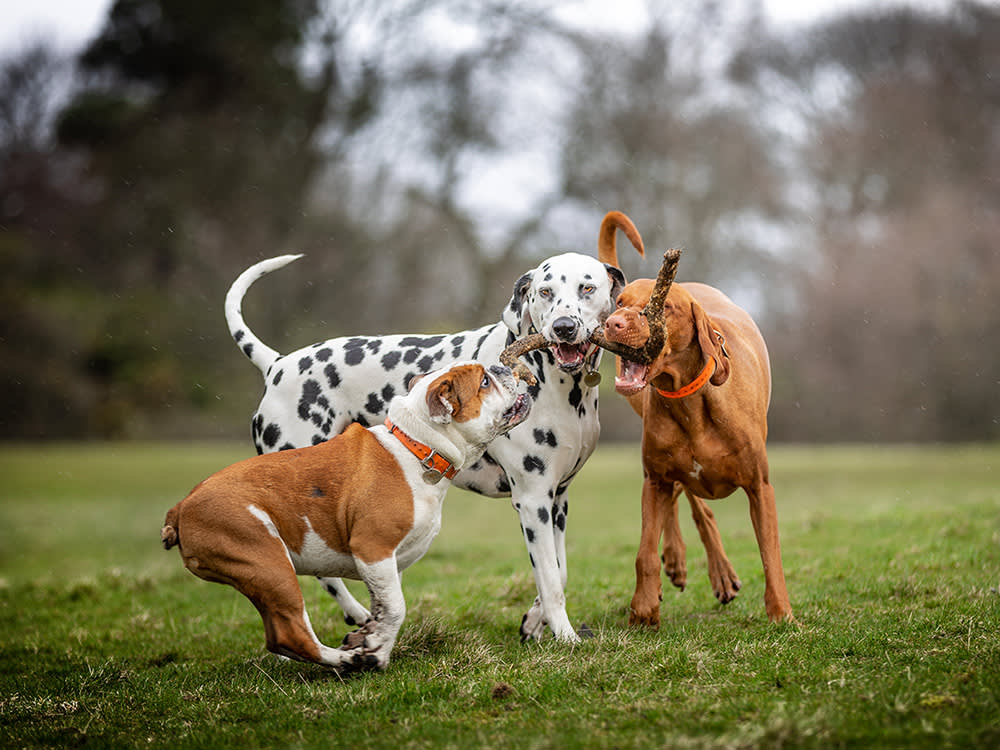


Socialization helps pets feel comfortable in different environments, around people, and with other animals. It reduces fear and prevents aggression.
Introduce your pet to new experiences gradually. Start with calm, controlled settings and slowly increase exposure. Positive experiences during socialization build confidence and trust.
The earlier you start, the better—but even older pets can benefit from gradual, patient socialization.
The Importance of Routine and Consistency
Pets thrive on routine. Feeding, walking, and training at consistent times helps them understand what to expect.
Consistency also applies to commands and rules. If one person allows a behavior while another discourages it, your pet will become confused.
Stick to clear, simple commands and reinforce them regularly. Over time, your pet will develop reliable habits that make life easier for everyone.
When to Seek Professional Help
Sometimes, behavior issues require expert guidance. If your pet shows signs of aggression, severe anxiety, or destructive behavior that doesn’t improve, consider consulting a professional trainer or veterinarian.
Early intervention can prevent problems from escalating. A professional can assess your pet’s behavior and create a customized training plan.
FAQ: Pet Training & Behavior
1. How long does it take to train a pet?
Training time varies depending on the pet’s age, breed, and consistency of training. Basic commands can be learned in a few weeks, but mastery takes ongoing practice.
2. Can older pets still be trained?
Yes, older pets can absolutely learn new behaviors. It may take more patience, but consistent training works at any age.
3. What should I do if my pet doesn’t listen?
Ensure you’re using clear commands and rewarding immediately. Remove distractions and practice in a calm environment.
4. Are treats necessary for training?
Treats are helpful but not mandatory. Praise, toys, and affection can also be effective rewards.
5. How do I stop aggressive behavior?
Identify the cause and avoid triggers. Seek professional help if aggression is severe or persistent.
Conclusion
Training your pet is a journey that requires patience, consistency, and understanding. By focusing on positive reinforcement, clear communication, and routine, you can shape your pet’s behavior in a way that strengthens your bond.
Remember, every pet is unique. What works for one may not work for another, so stay flexible and attentive to your pet’s needs. With time and effort, you’ll not only improve behavior but also build a trusting, lifelong relationship with your furry companion.