When I first brought home my pet, I believed that taking care of them was simple: provide food, water, and a comfortable place to sleep.
For the first few months, everything seemed fine. But one day I noticed my pet becoming less energetic, eating less, and sleeping more than usual. It worried me because nothing obvious seemed wrong.
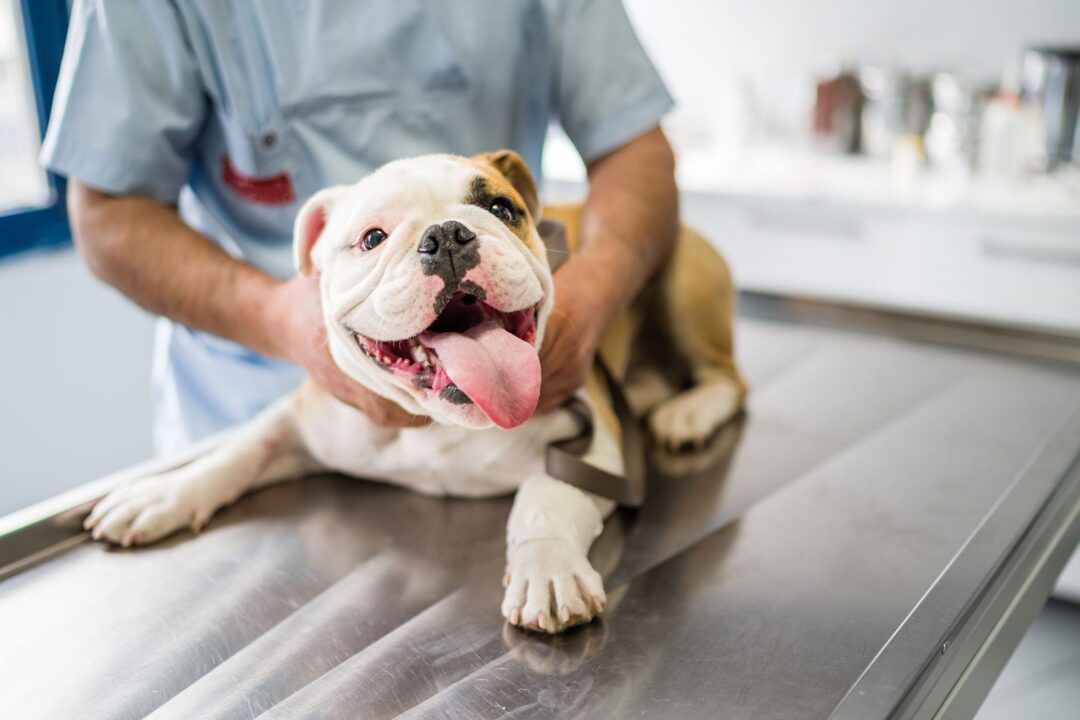
After speaking with a veterinarian and learning more about pet care, I realized something important: pet health and wellness involve much more than just feeding them.
Pets need proper nutrition, regular activity, mental stimulation, grooming, and routine health care to live happy and healthy lives.
The good news is that most pet health problems can be prevented with simple daily habits and awareness. In this guide, I’ll share practical advice and lessons I learned along the way to help you care for your pet more confidently.
Understanding Pet Health and Wellness
Pet wellness refers to the overall physical and mental well-being of animals. A healthy pet isn’t just free from illness—they are also active, comfortable, emotionally secure, and well cared for.
Several factors contribute to good pet health:
-
Balanced nutrition
-
Regular exercise
-
Preventive veterinary care
-
Mental stimulation
-
Proper grooming
-
Clean living environment
When these elements work together, pets are far less likely to develop health issues.
Step-by-Step Guide to Maintaining Pet Health
Step 1: Provide Balanced Nutrition
Nutrition is the foundation of pet health.
When I first adopted my pet, I assumed any pet food from the store would be sufficient. Later, I learned that quality and portion control matter greatly.
Key Nutrition Tips
-
Choose food designed for your pet’s species and age
-
Follow recommended portion sizes
-
Avoid excessive treats
-
Provide fresh, clean water at all times
For example, puppies and kittens require different nutrients compared to adult pets.
A balanced diet helps support:
-
Strong immunity
-
Healthy weight
-
Shiny coat and skin
-
Proper digestion
Step 2: Ensure Regular Exercise
Just like humans, pets need physical activity to stay healthy.
Lack of exercise can lead to:
-
Weight gain
-
Behavioral problems
-
Low energy levels
Simple Exercise Ideas
For Dogs
-
Daily walks
-
Playing fetch
-
Tug toys
-
Outdoor exploration
For Cats
-
Interactive toys
-
Laser pointers
-
Climbing structures
-
Puzzle feeders
Even 15–30 minutes of activity each day can greatly improve a pet’s mood and health.
Step 3: Schedule Regular Veterinary Checkups
Preventive care helps detect problems before they become serious.
Routine veterinary visits can include:
-
Health examinations
-
Vaccinations
-
Parasite prevention
-
Dental checks
Early detection often leads to easier and more effective treatment.
I learned this the hard way when a small health issue went unnoticed until it became more serious. Regular checkups help avoid such situations.
Step 4: Focus on Mental Stimulation
Pets need mental engagement to stay happy.
Without stimulation, animals may become bored or anxious.
Ways to Keep Pets Mentally Active
-
Rotating toys regularly
-
Puzzle feeders
-
Training sessions
-
Interactive playtime
Mental activity helps prevent destructive behaviors and keeps pets emotionally balanced.
Step 5: Maintain Proper Grooming
Grooming is an essential part of pet health.
Regular grooming helps:
-
Prevent skin infections
-
Reduce shedding
-
Detect parasites
-
Maintain hygiene
Basic Grooming Routine
-
Brush your pet’s coat regularly
-
Trim nails when needed
-
Clean ears occasionally
-
Bathe pets when appropriate
Each pet’s grooming needs depend on breed, coat type, and lifestyle.
Practical Tips That Improve Pet Wellness
Over time, I discovered small habits that made a big difference in my pet’s health.
Keep a Consistent Routine
Pets feel safer and healthier when they follow a regular schedule for feeding, exercise, and sleep.
Monitor Behavior Changes
Small changes in behavior can signal health problems.
Watch for signs such as:
-
Sudden appetite changes
-
Unusual lethargy
-
Excessive scratching
-
Changes in drinking habits
Early attention can prevent bigger issues.
Provide a Clean Living Space
A clean environment reduces the risk of infections and parasites.
Regularly clean:
-
Food bowls
-
Bedding
-
Litter boxes
-
Living areas
Offer Safe Toys
Toys provide both entertainment and exercise, but they must be safe and durable.
Avoid toys with small detachable parts that could be swallowed.
Common Pet Care Mistakes to Avoid
Even caring pet owners sometimes make mistakes without realizing it.
Overfeeding
Extra treats and large portions can lead to obesity, which increases the risk of many health problems.
Skipping Dental Care
Dental health is often overlooked but very important. Poor dental hygiene can cause pain and infections.
Ignoring Small Symptoms
Minor symptoms can sometimes indicate larger health issues. It’s always better to investigate early.
Lack of Social Interaction
Pets are social animals and need interaction with their owners. Spending time together strengthens emotional well-being.
Example: A Simple Daily Pet Wellness Routine
Here is a basic routine that supports good pet health.
Morning
-
Fresh water and balanced meal
-
Short playtime or walk
Afternoon
-
Interactive toys or mental stimulation
Evening
-
Exercise session or playtime
-
Grooming or brushing
Weekly
-
Clean bedding and toys
-
Check ears, nails, and coat condition
Consistent routines help pets feel secure and comfortable.
Frequently Asked Questions (FAQs)
1. How often should pets visit the veterinarian?
Most pets should have a checkup at least once a year. Puppies, kittens, and senior pets may require more frequent visits.
2. What are signs that a pet may be unhealthy?
Common warning signs include loss of appetite, unusual lethargy, vomiting, excessive scratching, or sudden behavior changes.
3. How much exercise do pets need?
Exercise needs vary by species and breed, but most pets benefit from daily activity and playtime.
4. Can pets experience stress or anxiety?
Yes. Changes in environment, lack of stimulation, or separation from owners can cause stress in pets.
5. What is the most important factor in pet health?
Balanced nutrition, regular veterinary care, exercise, and mental stimulation all play essential roles in maintaining pet wellness.
Conclusion: Healthy Pets Thrive on Consistent Care
Pet health and wellness go far beyond basic feeding and shelter. A happy, healthy pet requires a combination of proper nutrition, exercise, grooming, mental engagement, and preventive health care.
What I learned from my own experience is that small daily habits make the biggest difference.
Simple actions—like regular playtime, proper meals, and paying attention to behavioral changes—can significantly improve a pet’s quality of life.
When pets receive consistent care and attention, they reward their owners with loyalty, companionship, and joyful energy.
And in the end, keeping your pet healthy isn’t just about preventing illness—it’s about helping them live a long, happy life by your side.