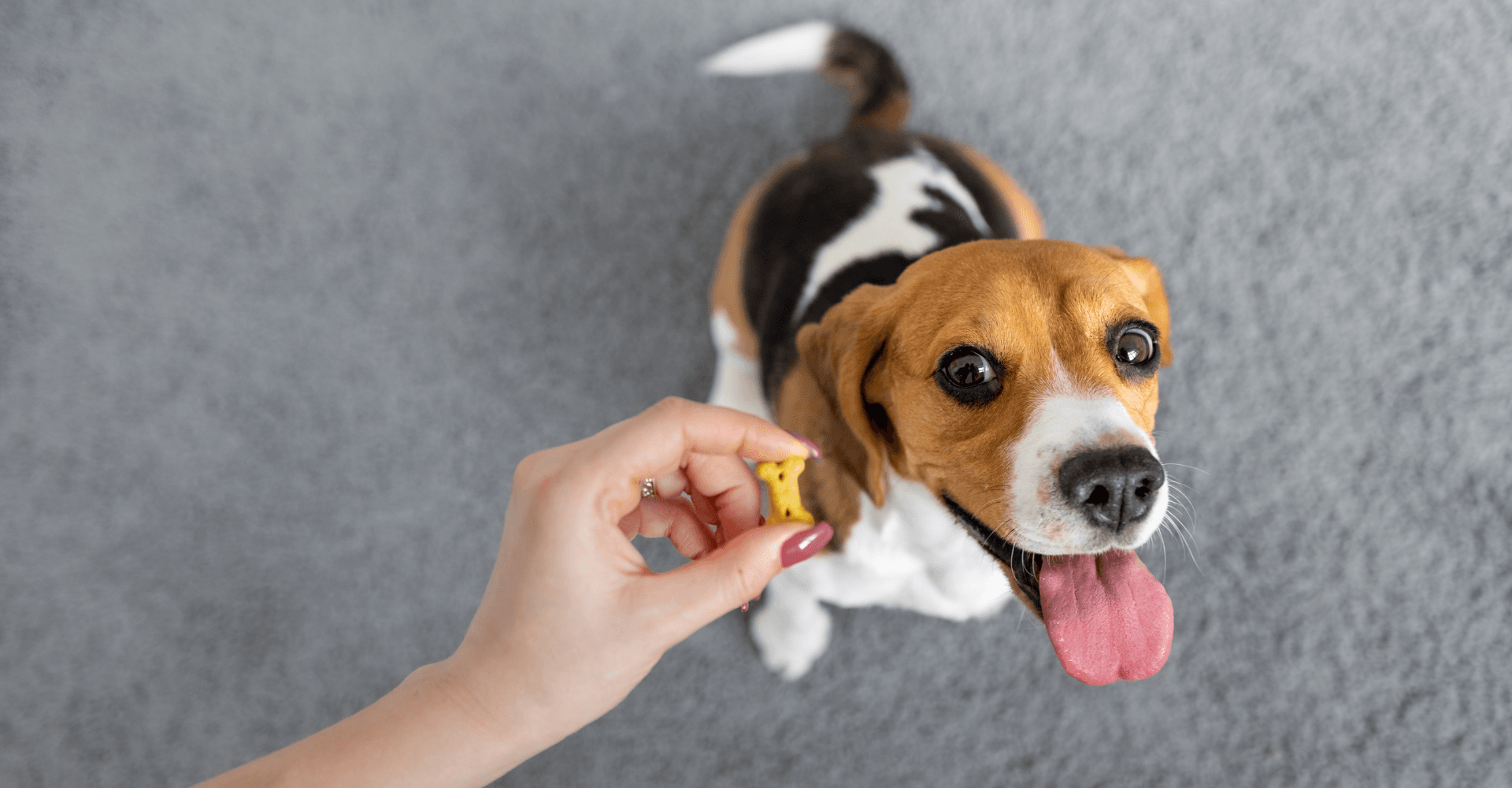
When I first brought my pet home, I imagined training would be simple. I thought teaching a few commands like “sit” and “stay” would be enough.
But within the first few weeks, I faced situations I hadn’t expected.
My dog barked at visitors.
He chewed on shoes.
Sometimes he ignored commands completely.
At first, I assumed he was being stubborn. But after learning more about pet behavior and trying different training methods, I discovered something important: most pet behavior problems happen because animals don’t yet understand what we expect from them.
Training isn’t about punishment or strict control. It’s about communication, consistency, and building trust.
Once I understood that, training became easier—and my pet’s behavior improved dramatically.
This guide will help you understand how pet behavior works and how to train pets effectively using simple, practical methods.
Understanding Why Pets Behave the Way They Do
Before starting training, it’s important to understand that pets communicate differently than humans.
Animals respond primarily to:
-
Repetition
-
Rewards
-
Tone of voice
-
Body language
-
Consistency
When a pet repeats unwanted behavior, it usually means one of three things:
-
They haven’t learned the correct behavior yet.
-
The training signals are inconsistent.
-
The behavior is unintentionally being rewarded.
For example, if a dog jumps on people and receives attention—even negative attention—it may continue doing it because attention feels like a reward.
Understanding this principle helps you train more effectively.
Step-by-Step Guide to Training Your Pet
Step 1: Start With Basic Commands
Basic commands create the foundation for good behavior.
Essential commands include:
-
Sit
-
Stay
-
Come
-
Leave it
-
Down
How to Teach “Sit”
-
Hold a small treat near your pet’s nose.
-
Slowly move the treat upward.
-
As your pet’s head follows the treat, their body naturally lowers.
-
When they sit, say “Sit” and reward immediately.
Consistency is key. Practice short sessions daily.
Step 2: Use Positive Reinforcement
Positive reinforcement is one of the most effective training methods.
This means rewarding good behavior rather than punishing bad behavior.
Rewards may include:
-
Treats
-
Praise
-
Toys
-
Playtime
Pets quickly learn that repeating certain behaviors leads to rewards.
Over time, the behavior becomes a habit.
Step 3: Keep Training Sessions Short
Long training sessions can overwhelm pets.
Instead, aim for:
-
5–10 minute sessions
-
Multiple times per day
Short sessions keep pets focused and motivated.
When I started doing shorter sessions, my pet learned commands much faster.
Step 4: Be Consistent With Commands
Consistency helps pets understand expectations.
Use the same words and tone for each command.
For example:
If you say “Down,” avoid switching between “Lie down,” “Get down,” or “Lay down.”
Mixed signals can confuse pets.
Step 5: Address Behavioral Problems Early
Small behavior problems can become bigger issues if ignored.
Common pet behavior problems include:
-
Excessive barking
-
Chewing household items
-
Jumping on people
-
Pulling on the leash
-
Litter box issues (for cats)
Early training helps correct these behaviors before they become habits.
Practical Training Tips That Work in Real Life
Through experience, I discovered several simple techniques that improved training results significantly.
Reward Immediately
Rewards should come within a few seconds of the correct behavior.
This helps pets clearly connect the action with the reward.
Use Calm, Clear Commands
Pets respond better to calm voices than loud or angry tones.
Clear communication builds trust.
Practice in Different Environments
Pets may follow commands at home but ignore them outside.
Practice training in multiple locations to strengthen learning.
Be Patient
Every pet learns at a different pace.
Patience and repetition are essential for success.
Understanding Common Pet Behavior Issues
Training also requires understanding why certain behaviors happen.
Excessive Barking
Dogs bark to communicate.
Common reasons include:
-
Boredom
-
Alerting to strangers
-
Anxiety
-
Seeking attention
Providing exercise and mental stimulation often reduces barking.
Chewing Furniture or Objects
Chewing is natural, especially for puppies.
Provide appropriate chew toys and redirect chewing when necessary.
Jumping on Guests
Pets often jump to greet people enthusiastically.
Training an alternative behavior, such as sitting before greeting, helps solve this issue.
Separation Anxiety
Some pets feel stressed when left alone.
Signs include:
-
Destructive behavior
-
Excessive barking
-
Pacing
Gradual training and enrichment activities can help reduce anxiety.
Common Pet Training Mistakes to Avoid
Even well-intentioned pet owners sometimes make mistakes that slow training progress.
Inconsistent Rules
If one family member allows a behavior and another discourages it, pets become confused.
Everyone should follow the same rules.
Punishing Instead of Teaching
Punishment can create fear and damage trust.
Positive reinforcement is far more effective.
Expecting Immediate Results
Training takes time and repetition.
Progress often happens gradually.
Skipping Exercise
Pets with excess energy may struggle to focus during training.
Regular exercise improves attention and behavior.
Example: Solving a Jumping Problem
One issue I struggled with was my dog jumping on visitors.
At first, I tried telling him “No,” but the behavior continued.
Eventually, I used a different approach.
Whenever someone arrived, I asked my dog to sit before greeting them.
Only after sitting calmly did he receive attention.
Within a few weeks, the jumping stopped.
This experience taught me that training alternative behaviors works better than simply stopping unwanted ones.
Frequently Asked Questions (FAQs)
1. At what age should pet training begin?
Training can begin as early as a few weeks after bringing a pet home. Young animals learn quickly, but older pets can also be trained successfully.
2. How long does it take to train a pet?
Basic commands may take a few weeks, while advanced training can take several months depending on consistency and practice.
3. Are treats necessary for training?
Treats help reinforce behavior, especially in early stages. Over time, praise and affection can replace food rewards.
4. Can older pets still learn new behaviors?
Yes. While younger pets may learn faster, older pets can still adapt and learn new commands with patience.
5. What should I do if training isn’t working?
If training challenges continue, consulting a professional trainer or veterinarian may provide helpful guidance.
Conclusion: Training Is About Communication and Trust
Successful pet training isn’t about strict discipline or forcing obedience.
It’s about building a relationship based on clear communication, patience, and positive reinforcement.
Once pets understand what is expected and feel rewarded for good behavior, they naturally repeat those actions.
From my experience, the most rewarding part of training isn’t just seeing better behavior—it’s the stronger bond that develops between pet and owner.
With consistent practice and understanding, you can guide your pet toward behaviors that make everyday life smoother and more enjoyable for both of you.